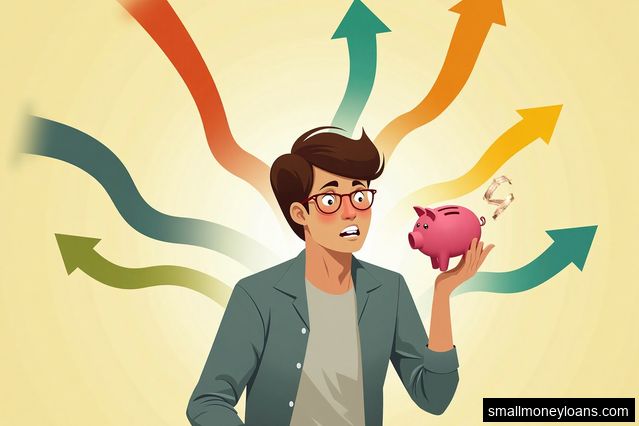


The Need for Financial Assistance
In times of financial hardship, many individuals find themselves in need of immediate cash to cover unexpected expenses or bridge the gap between paychecks. Small money loans provide a convenient solution for those who require a quick infusion of funds. Understanding the psychology behind borrowing small amounts of money can shed light on why people turn to this option.
The Emotional Aspect
Financial stress can evoke powerful emotions such as anxiety, fear, and shame. When faced with urgent financial needs, individuals may experience a sense of desperation and a strong desire to alleviate their distress. Borrowing money, even in small amounts, can offer a temporary sense of relief and a feeling of control over the situation.
The Influence of Social Factors
Social influences play a significant role in the decision to borrow small amounts of money. Friends, family, and colleagues may share their experiences of successfully using small money loans, creating a perceived norm that borrowing is an acceptable and common practice. Additionally, societal pressures to maintain a certain standard of living or meet immediate needs can lead individuals to seek financial assistance.
The Power of Peer Approval
Humans are social beings who seek acceptance and approval from others. When individuals observe their peers borrowing small amounts of money without negative consequences, they may feel more inclined to do the same. The desire to fit in and avoid potential social isolation can override rational decision-making and lead to impulsive borrowing.
Cognitive Biases and Short-Term Thinking
Cognitive biases, such as present bias and optimism bias, can influence the decision to borrow small amounts of money. Present bias refers to the tendency to prioritize immediate needs over long-term consequences. Borrowers may focus on the immediate relief provided by the loan, while downplaying the potential long-term financial implications. Optimism bias leads individuals to believe that their financial situation will improve in the future, making them more willing to take on debt.
The Allure of Easy Access
The accessibility and convenience of small money loans can also contribute to their appeal. Online platforms and mobile applications make it effortless for individuals to apply for and receive funds quickly, sometimes within minutes. The ease of access can create a sense of instant gratification and make borrowing small amounts of money seem like a viable solution.
Navigating the Borrowing Decision
Understanding the psychology behind borrowing small amounts of money can empower individuals to make more informed decisions. It is essential to evaluate the urgency of the financial need, explore alternative options, and consider the potential long-term consequences of borrowing. Seeking financial advice from trusted professionals can provide guidance and ensure responsible borrowing.
Building Financial Resilience
Developing financial resilience through budgeting, saving, and building an emergency fund can help individuals avoid relying on small money loans in times of need. By proactively managing their finances and implementing healthy financial habits, individuals can reduce their vulnerability to financial emergencies and maintain greater control over their financial well-being.